July 19th, 2023
Questioning Biodiversity Net Gain: The Wenny Road Meadow Scenario
The Biodiversity Net Gain Policy and Its Challenges
In 2021, the Environment Act gave life to a significant policy that aimed to create a sustainable balance between urban development and nature conservation: Biodiversity Net Gain (BNG). BNG strives to ensure that post-development, the natural environment is in a better state than previously, measured through a system that sets a natural baseline and expects a 10% improvement from the development proposals. But the effectiveness of this policy is threatened by the potentially flawed assessment of baseline conditions. The Wenny Road Meadow controversy in Chatteris, Cambridgeshire, offers a vivid illustration of this conundrum.
Wenny Road Meadow: A Case of Mismatched Assessment
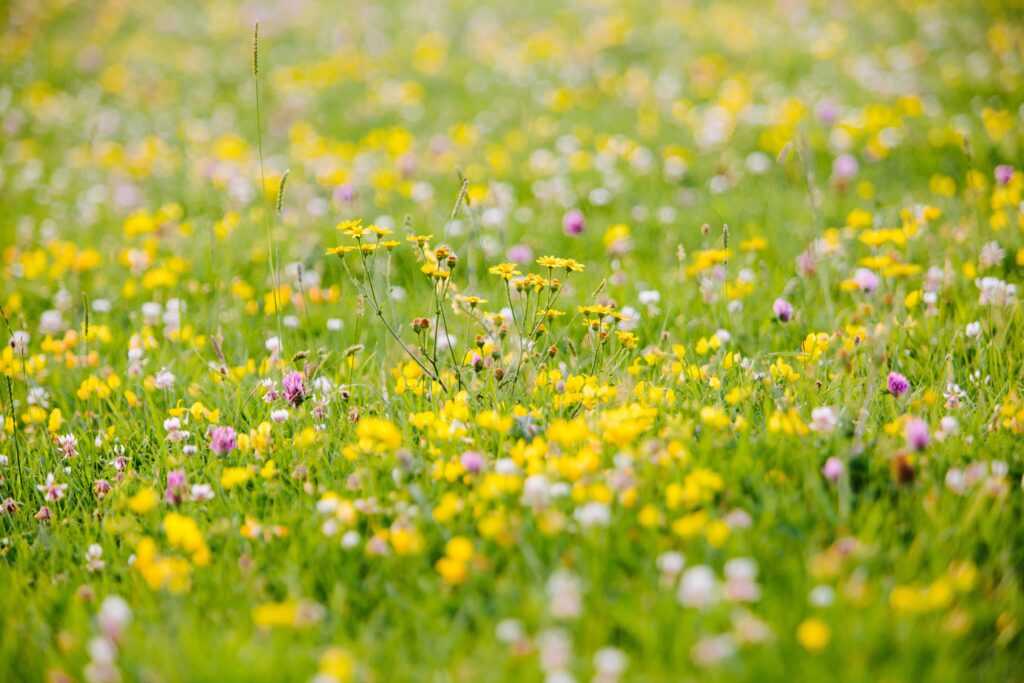
Wenny Road Meadow, the last remaining large green space in the land-locked rural town of Chatteris, has been under threat from a proposed housing development. Despite being home to a significant number of UK priority species and priority habitats, the most recent local plan, though somewhat out of date, includesthis area for development. The local community, understandably concerned about this loss of natural space and biodiversity, has been battling to protect it.
In 2021, an ecology report highlighted a potential biodiversity loss of between 25% and 36%, depending on the habitat classifications used. However, recent assessments failed to consider the significant invertebrate population on the site, which includes numerous scarce species. This omission has led to fears that the Net Biodiversity Assessment may either understate the environmental impact or be ignored by the council.
The Need for a Dispute Resolution Mechanism in BNG Assessment
In this case, a dispute has arisen between the Wildlife Trust’s assessment of the baseline habitat conditions and the developer’s ecologist’s assessment. When these assessments are inputted into the BNG metric, they generate starkly different outcomes: a neutral outcome or a massive biodiversity loss, according to the Wildlife Trust. This discrepancy underscores the need for a mechanism to resolve disagreements in assessments, a need that becomes even more pressing as a 10% Biodiversity Net Gain will soon become mandatory.
Council’s Role in BNG
The council’s Wildlife Officer, in an email exchange in December 2022, acknowledged this disagreement but refrained from passing judgement. He emphasised that the views of the Wildlife Trust should hold equal weight as his own but ultimately deferred to the Biodiversity Mitigation Hierarchy, which demands demonstration of minimum possible biodiversity loss.
However, despite this recommendation, the planning officer’s report did not give equal weight to the Wildlife Trust’s views, choosing instead to lean on the Wildlife Officer’s lack of objection. This reveals an alarming discrepancy in the interpretation of expert opinions and underscores the pressing need for a dispute resolution mechanism when interpreting the BNG.
Whitehawk Hill: Negligence in Nature Conservation
While the Wenny Road Meadow case shows the challenges of interpreting the Biodiversity Net Gain policy, another example from Brighton shines a light on how the planning system needs improvement to protect our valuable natural habitats effectively.
The Whitehawk Hill in Brighton, a designated Local Wildlife Site (LWS), has become a battleground between development interests and local conservationists. This case involves, the shocking mishandling of a large reptile population that was displaced due to a nearby development at a Site of Nature Conservation Importance (SNCI) in Portslade.
Consequences of Hasty Translocation: The Unfortunate Case of Displaced Reptiles
Thousands of reptiles were hastily translocated to Whitehawk Hill, a site already under threat of development, without any preparation or monitoring. The unfortunate reptiles were translocated in winter, which likely resulted in mass deaths due to cold conditions. What is even more alarming is that these reptiles were translocated to a site that itself is destined for development, a negligence that is hard to comprehend.
Protecting LWS: Efforts and Failures
This incident followed previous attempts by the Sussex Wildlife Trust (SWT) and the Environmental Law Foundation (ELF) to exclude Whitehawk Hill and other local wildlife sites from the Brighton Local Plan. Despite their best efforts, Brighton City Council allocated half of their LWS for development, threatening local wildlife. This series of events reflects a troubling trend of disregarding nature conservation in the planning system.
Dr. Allen Stewart, Professor of Ecology at Sussex University, states:
“This is an example of the worst practice, but I fear it’s all too frequent. In my experience, these ‘translocations’ are very rarely followed up with any monitoring to see if they have actually worked in terms of the animals surviving.”
BNG: Need for Checks, Balances, and Transparency
This story, along with Wenny Road Meadow, underlines the need for robust checks and balances in the planning system to uphold Biodiversity Net Gain policy. It’s vital that planning and development consider all factors impacting biodiversity, ensure transparency and public participation, and take to heart the objective of improving the state of the environment post-development. Our biodiversity, once lost, can never be regained. This fact should be at the forefront of any development planning discussion.
Conclusion: Safeguarding Natural Spaces
This situation at Wenny Road Meadow and Whitehawk aren’t isolated, and the current trend appears to see developers undermining the BNG by submitting inaccurate information. Without a robust system for assessing baseline conditions and resolving disputes, the government’s BNG policy may fail to protect the very natural habitats it is designed to enhance.
If we’re to safeguard our natural spaces and prioritise nature, it’s crucial to put mechanisms in place that uphold the true spirit of policies like BNG. Cases like Wenny Road Meadow underscore the urgency of doing so. We must ensure that these mechanisms consider all factors impacting biodiversity, allow for transparency and public participation, and ultimately strive for an environment in a better state post-development.
Consider donating to help us continue fighting for environmental rights.
The work that we do is powered by people like you. If you’d like to support us, as we help grassroots organisations fight for environmental justice, you can do so by donating here.