October 20th, 2023
Toxic Skies: How Carlisle Residents Fight Against an Incinerator Threat
 In the picturesque city of Carlisle, a battle has been raging amongst the local community, against a looming environmental disaster. Since 2016, the community has been divided as an imposing moving-grate incinerator proposed by Fortum Carlisle Limited threatens their local environment. On one side stand the determined residents united under Carlisle Residents Against Incinerator (CRAIN), while on the other side, bureaucratic entities push forward with the project.
In a city where each sunrise might soon be veiled by the smoke of the incinerator, the local populace fears for their local natural environment, public health, and future generations. Their concerns are scientifically grounded, pointing towards increased toxins, compromised air quality, and insidious health risks. UKWIN who supported CRAIN are clear about the science.
Navigating through Bureaucratic Labyrinths: Hurdles in Seeking Environmental Justice
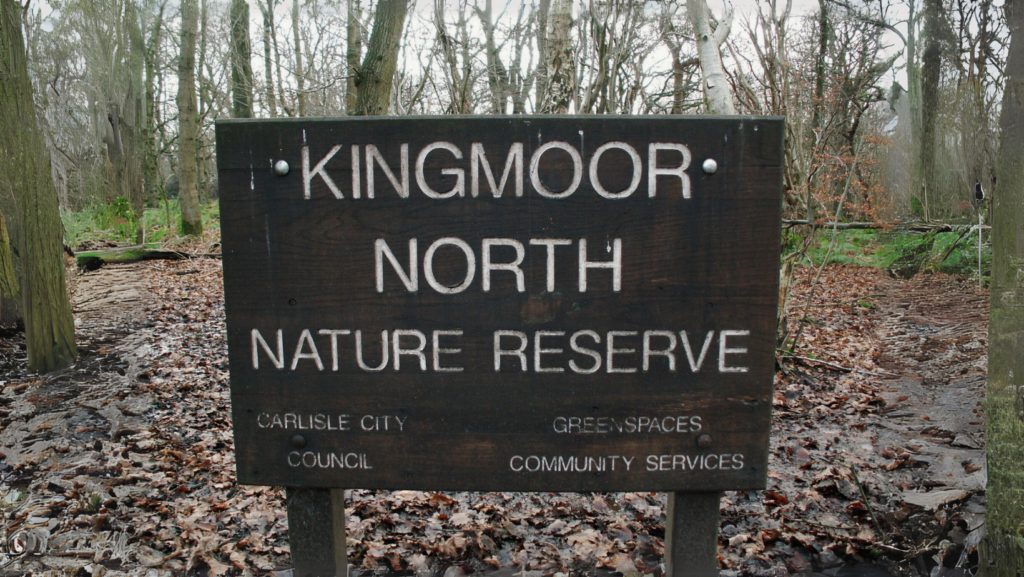
CRAIN has played a significant role in highlighting the issues surrounding the Environment Agency (EA) and exposing a number of flaws in the decision-making process for the proposed incinerator. The EA, tasked with handling the public consultation process for the permit application, has been met with criticism and complaints about their modus operandi. The Permit was granted on the 13th April 2023 and ELF subsequently sent out a Pre-Action letter setting out the potential grounds of challenge. The first of those was how the EA had not properly addressed important aspects of concerns raised (in response to the consultations) regarding the Kingmoor Nature Reserves. This was a positon supported by Cumbria Wildlife Trust. Concerns were raised around the impacts on the biodiversity at the Kingmoor Nature Reserve sites including the rare butterflies and moths at Kingmoor North Nature Reserve and the presence of lichens and bryophytes and the impacts of emissions upon them. In addition the inclusion of inaccurate background air quality assessment data from a location, Eskdale Muir, which is not representative of the proposed site, has further fuelled the fears and frustrations of Carlisle’s citizens. The EA’s acknowledgment of this error post-permit issuance does little to placate or reassure a community left disillusioned and mistrustful.
The Unaffordable Cost of Justice: Carlisle’s Deflated Legal Pursuits
In an era where environmental conservation should be paramount, the residents found themselves locked in a legal and financial conundrum. As the Environmental Law Foundation explored the possibility of a judicial review, with help from Sian McGibbon of Landmark Chambers, against the EA’s decision in favour of the incinerator, the crushing financial burden and a stifling deadline snuffed out the flame of legal resistance.
Transcending Carlisle: A National Reckoning with Environmental Justice
While Carlisle’s plight might be a singular case, it is emblematic of the broader systemic and bureaucratic impediments citizens across the UK face when pursuing environmental justice. Our recent ‘A Pillar of Justice II’ report (link), highlights the challenges faced by the UK in aligning its practices with the principles of the Aarhus Convention. These principles emphasise public access to information, participatory decision-making, and access to justice in environmental matters.
Carlisle’s struggle is not just a local issue; it is a magnifying glass over the deficiencies and barriers within our systems that stifle the voices and thwart the efforts of everyday people in their pursuit of environmental justice and safeguarding their future. Through the complex web of these administrative and systemic challenges, the question that arises is: How can we reform and ensure our pathways to environmental justice are not a gauntlet but an accessible, transparent journey for every citizen, irrespective of their financial might? How do we ensure that cases like Carlisle are the exceptions and not the rule in our pursuit of a greener, safer future for all?
A tapestry weaves through numerous cases across the UK where citizens, in their pursuit of environmental justice, grapple with systemic, bureaucratic, and financial barricades. It shines a light on these struggles, prompting a nation-wide introspection. Resistance in Carlisle sparks the flame of nationwide environmental justice and democracy. This light, borne from the struggles of everyday people, can break through the smog of future crises.
Consider donating to help us continue fighting for environmental rights.
The work that we do is powered by people like you. If you’d like to support us, as we help grassroots organisations fight for environmental justice, you can do so by donating here.