March 30th, 2026
Pushing the law forward: ELF intervening in two Supreme Court cases
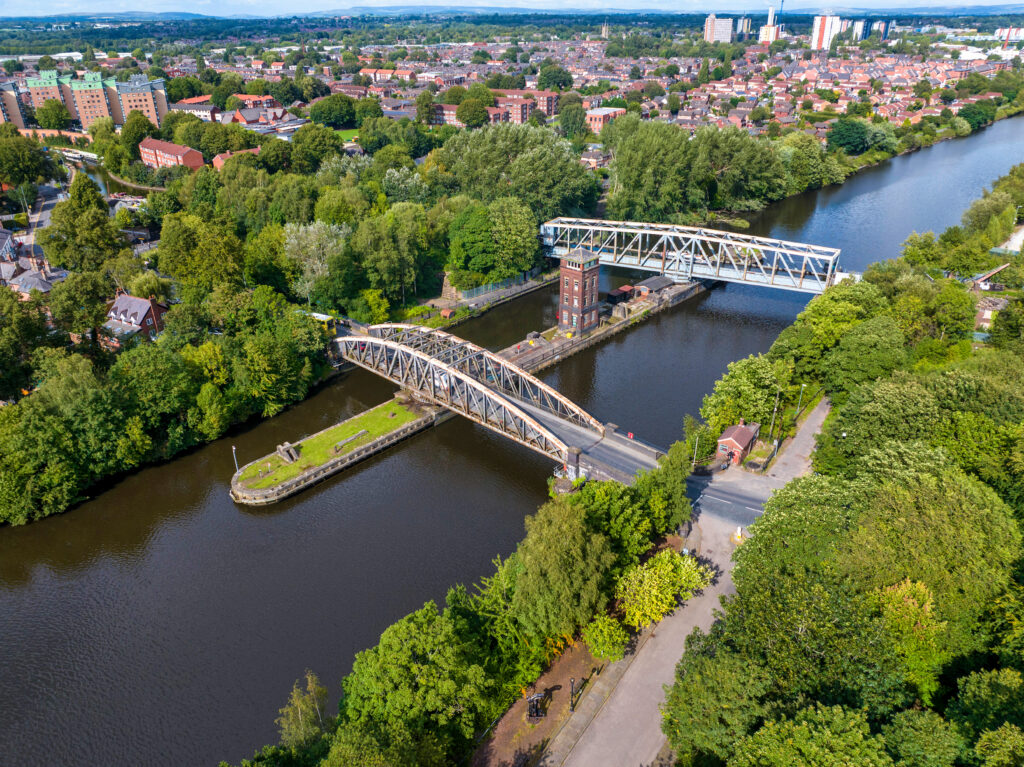
The Environmental Law Foundation has applied to intervene in two critical UK Supreme Court cases with the potential to push the law forward and drive systemic change for communities across the UK affected by environmental harm for decades to come.
Holding water companies to account for sewage pollution
ELF is seeking to intervene in a crucial case that could shape whether water companies can be held legally accountable for sewage pollution.
The case, Manchester Ship Canal Company Ltd v Secretary of State for Environment, Food and Rural Affairs & United Utilities, follows a landmark 2024 Supreme Court judgment which confirmed that illegal sewage discharges can be challenged through common law claims such as nuisance and trespass. That decision opened up a powerful new route for communities and landowners to hold water companies to account.
This new case raises the risk of those protections being weakened.
At its core is a decision that would allow a water company to discharge wastewater into a canal under a compulsory purchase order, even where those discharges may breach environmental standards or damage water quality. If upheld, it could limit the ability of affected communities to bring legal claims and create a concerning precedent for future cases.
ELF’s intervention seeks to ensure that the Court hears the wider public interest perspective. Drawing on our work with communities across the UK, we will highlight the real world impacts of sewage pollution on people, rivers, and ecosystems, and the importance of maintaining effective legal routes to challenge it.
Addressing the cost barrier to accessing environmental justice
ELF has also applied to intervene in a separate Supreme Court case brought by Foodrise, which raises important questions about access to justice in environmental law.
The case relates to a legal challenge to the UK-Australia Free Trade Agreement. Foodrise argues that the deal could have significant environmental impacts, including higher emissions associated with imported agricultural products such as beef, and that these impacts were not properly considered.
Alongside this, a key issue in the case is whether a legal costs cap, designed to keep environmental challenges affordable under the Aarhus Convention, should apply. Without this protection, the cost of bringing a case can become prohibitively expensive, putting it out of reach for most organisations and communities.
The Court of Appeal has ruled that the cap should not apply in this instance. If upheld, this could create a significant costs barrier to bringing future environmental cases, limiting the ability of communities and organisations to hold decision-makers to account.
If the judgement is allowed to stand it would see typical common law grounds in an environmental JR such as lack of adequate consultation, fettering of discretion, or ignoring material considerations, considered to not attract Aarhus costs protection, thus considerably limiting the publics access to environmental justice, given the huge impact costs can have in a public interest case.
ELF’s proposed intervention focuses on these wider public interest implications, drawing on our experience supporting communities across the UK to access legal advice and use the law to protect their local environment.