December 16th, 2024
Turning the Tide: Restoring accountability for water pollution through legal action
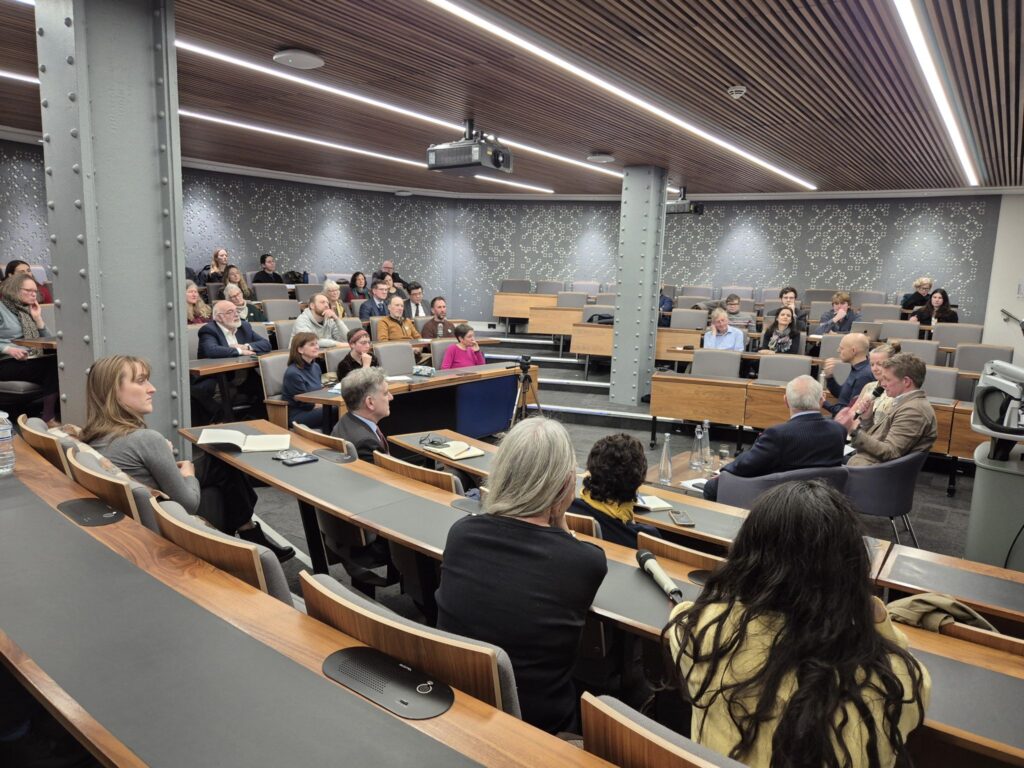
On December 11, 2024, at King’s College London, I had the privilege of attending the Environmental Law Foundation’s third “David Hall Conversation” on water pollution nuisance. The event, with panelists Sarah Moore, Stephen Hockman KC, and ELF Trustee Nick Flynn charing, shed light on a recent landmark Supreme Court ruling concerning the Manchester Ship Canal (in which ELF intervened) and its implications for environmental accountability. Here’s my reflection on the event and why this case resonates so strongly in today’s climate and environmental crisis.
A Landmark Decision for Accountability
The Supreme Court’s judgment in The Manchester Ship Canal Company Ltd v United Utilities Water Ltd has been hailed as a pivotal moment for environmental justice. The ruling clarified that private law claims in nuisance and trespass can indeed be pursued against sewerage undertakers like United Utilities, even in cases where statutory immunity was previously presumed. This is a crucial win for communities and natural ecosystems. As Stephen Hockman said, “the case lifted a restriction” previously imposed.
Historically, claims for private nuisance met with resistance due to the restrictive interpretation of statutes like the Water Industry Act 1991. However, this case reaffirms that statutory powers are not a blanket shield against accountability. In the face of intentional or negligent pollution, the ruling emphasised the importance of legal recourse to hold companies accountable.
A Victory for Communities and Nature
One of the key takeaways from the discussion was how the judgment restores the balance of power to communities affected by environmental harm. The Manchester Ship Canal, historically an industrial artery, has faced years of foul water discharges from United Utilities’ sewer network. These actions, unchecked, have compromised not only the canal’s ecosystem but also public enjoyment and safety.
The judgment sends a powerful message: polluters cannot operate with impunity, and there are mechanisms to ensure accountability. This is not just about Manchester—it’s about setting a precedent that extends to waterways and communities across the UK.
Timeliness in the Era of Climate Crisis
The environmental and climate crisis has made water pollution an even more pressing issue. This ruling is timely, as it addresses the growing public demand for clean water and sustainable ecosystems. Speakers at the event highlighted how climate change exacerbates vulnerabilities in water management systems, making corporate responsibility even more critical.
Opening the Floodgates for Legal Action?
During the event, Sarah Moore and Stephen Hockman KC debated whether this judgment would “open the floodgates” for a wave of similar claims. They argued that while the ruling empowers communities, it also challenges water companies to improve their infrastructure and practices rather than relying on outdated legal immunities. This accountability is essential to mitigate the long-term impacts of pollution on the environment and public health.
Broader Implications: Lessons from New Zealand
One of the comparisons drawn during the discussion was with New Zealand’s public nuisance claims related to climate change. The principles of liability for endangering public interest and rights are universal, and this case aligns with a global trend of holding corporations accountable for their environmental impact.
Looking Forward
Reflecting on this event, it’s clear that the ruling is more than a legal milestone—it’s a step towards a more environmentally conscious society. It emphasises the role of law in protecting public resources and challenges companies to prioritise sustainability.
As Jo Bateman’s case as a wild swimmer suggests, who is seeking compensation for a wider public nuisance claim, the issue of water pollution is not just abstract—it impacts people’s lives and experiences directly. By broadening the scope of accountability, the Supreme Court ruling empowers individuals like Jo Bateman to demand better practices from corporations.
This case and the discussions it sparked are a reminder of the power of collective action, the resilience of communities, and the importance of legal precedents in shaping a sustainable future. It is indeed a win for nature and for all of us who rely on clean water and a healthy environment.