February 18th, 2025
Rivers: The lifeblood of our land
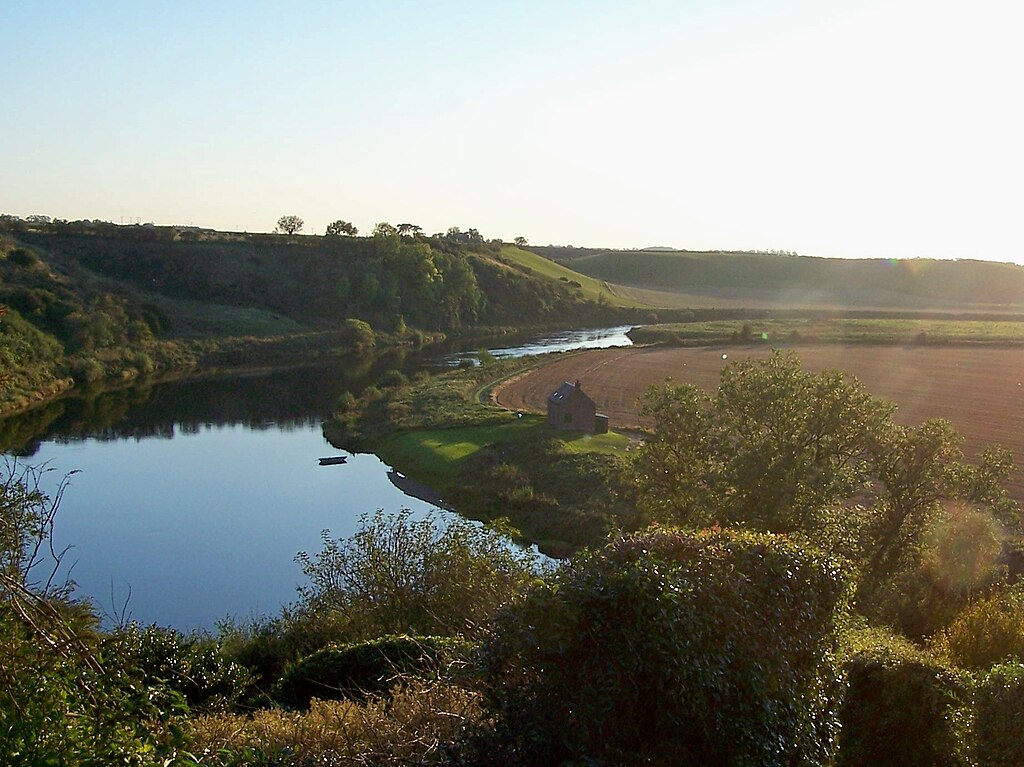
River Tweed. Photo by: David Chatterton
by Tanvi Sengupta
I am joining the #ShowTheLove campaign, to advocate protection for our rivers. As a child who grew up near the sea and saw its capacity for loud crashing chaos, I remember finding it difficult to comprehend that a river, these tranquil, mysterious ribbons of blue, could eventually flow into that chaos. As an adult, that feeling remains. However, I have developed an appreciation for their dynamic gentleness, and rivers have become a place of reflection and peace.
Having lived in cities which have grown around their rivers, I see how these rivers become part of the spirit of the community and intertwine with people’s lives, becoming a character of their own. During my time at the University of Cambridge, small wooden boats bobbing on diaphanous water, elegant herons and weeping green willows moving leisurely in the flow of the River Cam acted as a peaceful sage, grounding a city filled with febrile ambition. In Glasgow where I now live, the River Clyde is a grand ancient guardian, holding memories of the adventures and tragedies of the Industrial Revolution and Empire. Rivers have enormous social value and, particularly in these urban environments, rivers are an important way for people to connect to nature and find a calm escape from the hustle of cars and crowds.
During my time at ELF, I have learnt more about the ecological value of rivers, and the threats they face. Rivers are an important part of the water cycle, responsible for transferring water to oceans. They transport nutrients and sediment downstream, which supports food webs and ecosystems. Rivers are an important habitat for many different organisms, with freshwater habitats accounting for some of the richest biodiversity on the planet. They provide drinking water for humans and other creatures alike.
The foundational role our rivers play in the life of our planet is being threatened by human activity such as climate change, pollution and damming. Just last month, the Environment Agency stated Brown Trout, an iconic British fish which lives in rivers and streams, is at risk of wipeout in a few decades due to temperatures rising from climate change. Just as rivers can hold memories, they also hold physical remnants of human activity. Plastic, chemical, nutrient and sewage pollution have insidiously and ubiquitously plagued our waterways, devastating ecosystems. The Rivers Trust 2024 Report on The State of Our Rivers states that, out of 3553 river stretches in England, 85% of our river stretches fall below good ecological standards, with 0% being in good overall status.
Here at ELF, we do a lot of work around rivers. We get many enquiries from communities trying to tackle the pollution of their local rivers from agriculture and sewage. We intervened in the landmark case of Manchester Ship Canal, which has the potential to provide a cause of action for situations where there is foul water discharge into watercourses. We are also assisting in developing a River Charter for the River Ouse in East Sussex. This Charter will be a declaration that the River Ouse has inherent fundamental rights which arise from its existence on our shared planet. This is a monumental step, and we are currently waiting to hear whether the Charter will be endorsed, which would make the River Ouse the first river in England with a Rights of Rivers Charter that has local government support.
When I was a child, I used to think the U.K. was shaped like a sitting man, and rivers were the veins of the body, pumping watery lifeblood into the land. As an adult, I see I was closer to the truth than I knew. Rivers are integral to life’s continued existence and life-affirming, and human activity is making them sick. We must do everything in our power to, not only prevent further damage but restore them to full health, allowing nature and communities to thrive.