June 14th, 2024
Are football clubs a threat to nature and greenwashing their sustainability efforts?
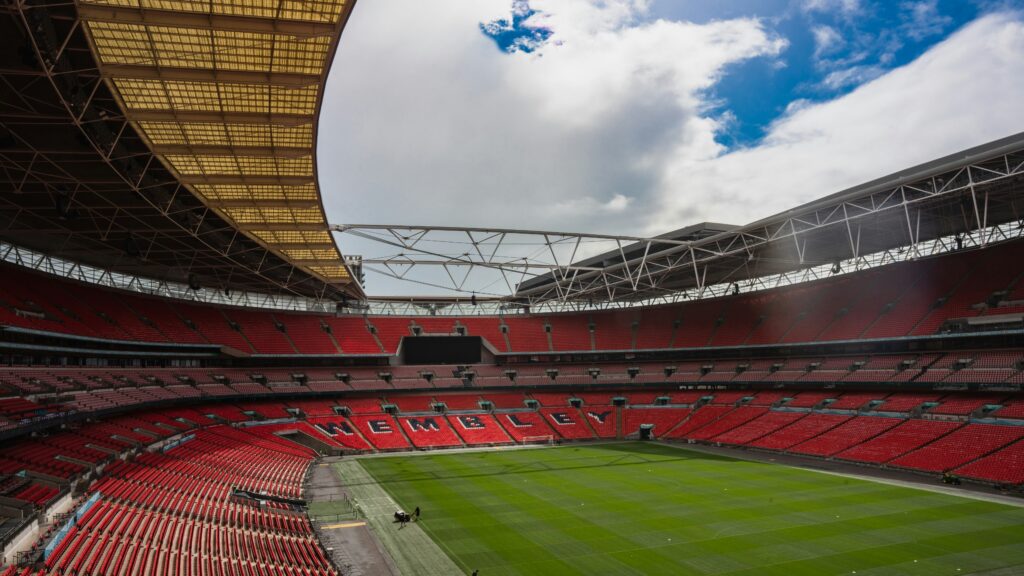
Photo by Winston Tjia on Unsplash
Football, the most beloved sport in the UK, is increasingly finding itself at odds with nature. Recent controversies surrounding new training grounds and facility expansions by prominent football clubs like Brentford FC and Tottenham Hotspur have highlighted the environmental repercussions of these projects. While clubs often tout their sustainability efforts, there is a fine line between genuine environmental stewardship and greenwashing.
Brentford FC’s New Training Ground: Controversy and Environmental Concerns
While Brentford FC announced in November last year that they would keep the same home kit two seasons in a row to help the environment (a shirt made from polyester – as most football shirts are – has more than double the carbon footprint of one made from cotton), the same football club is now developing 10 hectares of protected green space; on Metropolitan Open Land, a designation that safeguards green spaces in London from development. The land is also in the Greenbelt and is partly a Site of Importance for Nature Conservation. Multi layered protections sadly were not enough to stop the development being granted.
Brentford FC recently received planning permission from Hounslow Council for a new training ground, despite significant opposition from local residents. The project includes the construction of a temporary academy building, a permanent maintenance building, floodlights, and multiple football pitches.
Opposition from residents centered on various environmental concerns:
- Loss of Green Space: The development encroaches on Metropolitan Open Land, London green space, which is supposed to be protected from such projects.
- Impact on Wildlife: The site is designated as a Site of Importance for Nature Conservation (SINC), and although surveys downplayed its ecological value, locals fear the loss of habitat for local wildlife, hedgerows and trees removed, impact on foraging bats.
- Increased Noise and Light Pollution: New floodlights and the anticipated rise in activity will disturb the tranquility of the area and potentially affect nocturnal wildlife.
- Traffic and Privacy: The influx of traffic and the presence of new buildings close to residential areas raise concerns about noise and privacy for local residents.
- Parking, despite Transport for London raising an objection about the significant increase in parking space provision, from 180 to 250 spaces.
Despite these concerns, the council approved the project, citing economic benefits, job creation, and the club’s need to meet Premier League standards. However, the decision has left many questioning the balance between economic gains and environmental costs.
ELF assisted the community in exploring grounds of challenge and whilst there were grounds to challenge, the community were not able to raise the significant funds required to challenge the decision, and there being too greater risk.
Tottenham Hotspur and the Whitewebbs Park Controversy
Another recent case involves Tottenham Hotspur and their plans to develop a new women’s and girls’ football academy on a rewilded section of Whitewebbs Park. This project has sparked fierce opposition and legal battles, highlighting broader issues of public land use and conservation. Ironically, the club ranked second in the Premier League Sustainability Report in 2021.
Key points of contention include:
- Destruction of Rewilded Land: Whitewebbs Park, formerly a golf course, has been rewilded and now supports a diverse range of wildlife, including 80 species of birds and several species of bats and newts. The development threatens these habitats.
- Privatization of Public Space: Campaigners argue that leasing the land to Spurs for private use contradicts the original intent of the park, which was to remain a public recreational area.
- Legal and Ethical Concerns: The case raises questions about the legality and ethics of local councils leasing public trust lands to private entities. The potential precedent set by this case could impact public parks nationwide.
The Fine Line Between Sustainability and Greenwashing
Football clubs often promote their green initiatives, like Brentford and Tottenham. These include measures like using biofuel for team transport, reducing travel emissions, planting trees, helping wildlife, and reducing plastic waste. While these are welcome actions to help the environment, football clubs must be consistent. These efforts can sometimes overshadow the environmental damage caused by large-scale development projects.
As football clubs continue to expand and upgrade their facilities, especially in more urbanised areas where green space is limited, it is crucial that they do so with genuine consideration for the environment and local communities. Communities need their green spaces and value them greatly for their health and wellbeing. When these greenspaces are developed and commercialised for a private company and taken from the community both human and non-human, there’s a lot of grief and anger.
The controversies surrounding Brentford FC and Tottenham Hotspur highlight the need for a balanced approach that truly integrates sustainability into the core of these clubs, which includes proper consultation with communities and listening to their concerns. Sadly it seems, the environment is treated as an afterthought or a marketing tool. Only through genuine, transparent, and impactful sustainability efforts can football clubs ensure they are not just scoring goals on the field, but also contributing positively to the planet.