June 8th, 2025
World Oceans Day: Sustaining what sustains us through environmental law
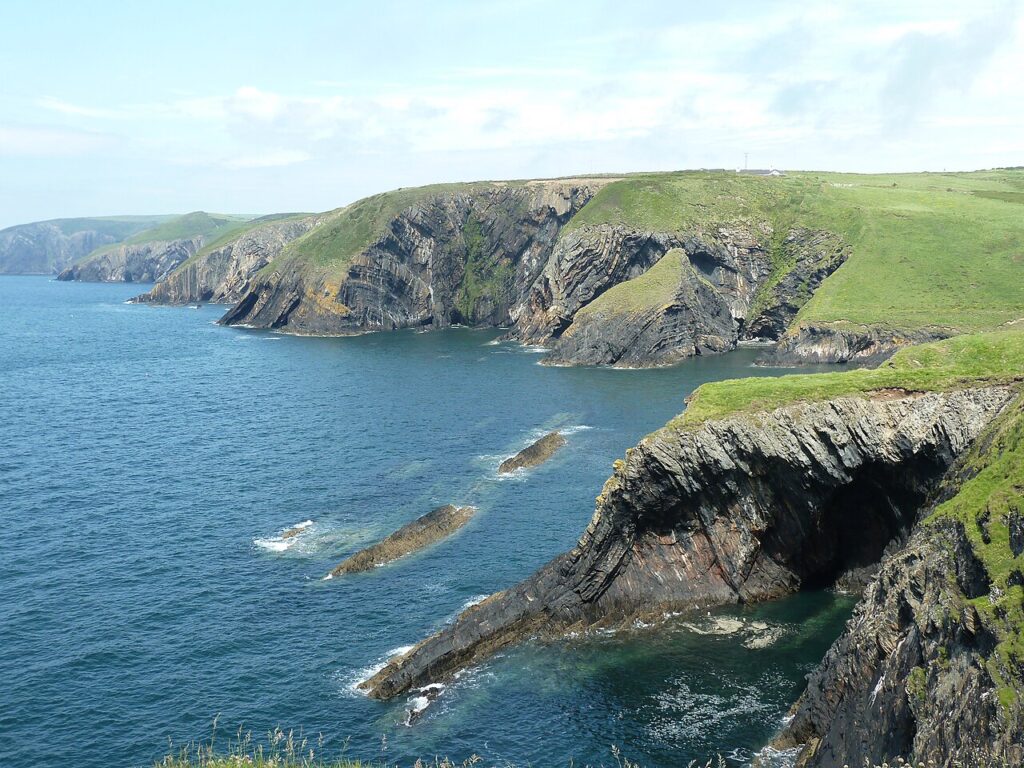
Photo by: Dave Spicer
This World Oceans Day, we’re reflecting on what it truly means to sustain what sustains us. The ocean is the source of life on Earth — regulating our climate, feeding millions, and nurturing biodiversity that keeps our ecosystems in balance.
But sustaining the ocean means more than admiration. It means action. And we can use environmental laws to help protect our seas.
From Cornwall’s underwater meadows to the rugged coasts of Wales and the polluted waters of England’s northeast, the Environmental Law Foundation (ELF) has been supporting communities standing up for their seas. These stories are a powerful reminder that when we protect the ocean, we protect ourselves.
Case 1: Saving St Austell Bay from Brine Discharge
ELF assisted with objecting to plans by Southwest Water for a desalination plant, which would extract seawater from St Austell Bay, filtering it to produce fresh water. This was a project proposed to respond to increased water demand from climate change. However, there were several concerning aspects of this application for the local marine environment. A major objection was that the project would have produced 40 million litres of brine each day, which would have been pumped into the waters of the Bay. St Austell Bay is a Special Area of Protection and has one of the UK’s largest beds of seagrass and maerl, which are important carbon sinks and and are feeding grounds and nurseries for young fish and vulnerable species like seahorses. Allowing this brine to enter this environment could have had a devastating impact on these features. The group campaigned hard and worked with ELF objecting to the Marine Management Organisation licence applied for by Southwest Water, resulting in the licence application being refused.
Case 2: Wildlife vs. Recreation at Ceibwr Bay
ELF was contacted by a member of a community living in Pembrokeshire, the Welsh County famous for its beautiful and wild coastlines. They have had ongoing concerns about the remote and scenic Ceibwr Bay and the increasing disturbance to the nesting seabirds from recreational activity around the bay. The spot is a popular destination for coaststeering, kayaking but is also home to a diverse array of wildlife such as grey seals, otters and several species of endangered birds. Despite the site being designated as a Special Area of Conservation and a Site of Special Scientific Interest, due to a lack of meaningful restrictions on tourist activities, adventure activities such as coasteering frequently disrupt the habitats of protected marine animals and cause disruption to nesting birds. The enquirer approached us asking how we could help in challenging an application to create a marine recreation hub which would facilitate increased activity on the coast. Despite the clear impacts on the protected area that would ensue, there was no habitats regulations assessment. ELF assisted with two objection letters; the hub was approved all the same. The case is now with Wild Justice who are pursuing a judicial review of the matter in the Court.
Case no 3. Sewage in our seas
Sustaining What Sustains Us
These three stories are about different places, but they share the same truth:
When we protect the ocean, we’re protecting the systems that keep all of us alive.