September 4th, 2024
The role of youth in preserving/protecting nature
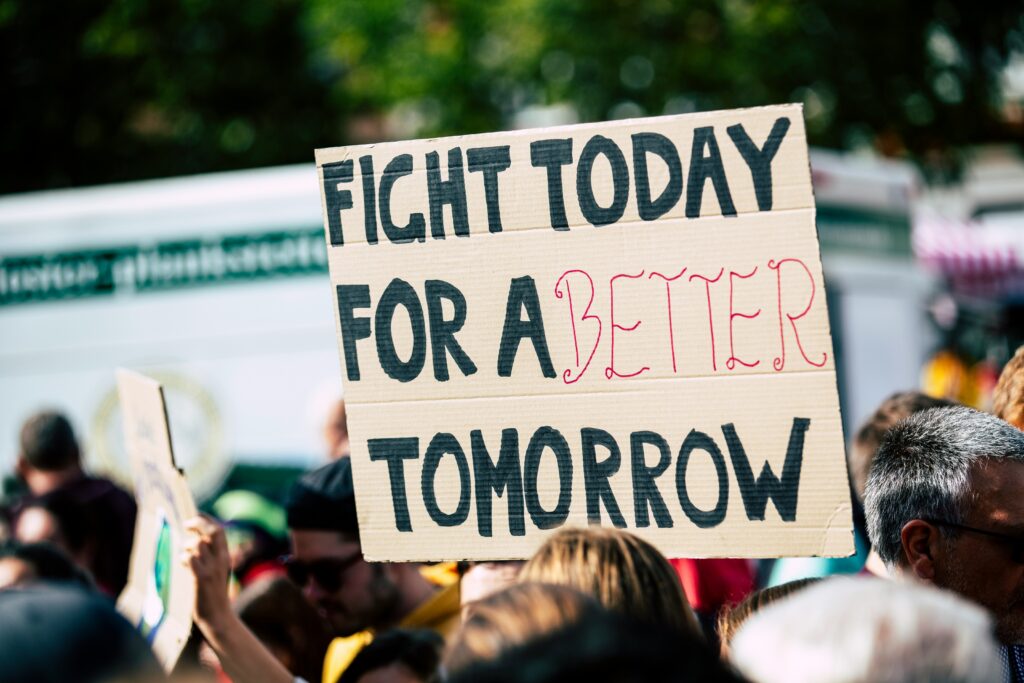
by Harsh Sagar, GYBN UK Operations Officer
Today, more than ever, youth play a crucial role in environmental conservation and restoration. The younger generation is contributing to the global effort to protect and conserve the environment as climate change, habitat degradation, and biodiversity loss advance at alarming rates. Our enthusiasm, ingenuity, and dedication to protecting nature are not only motivating, but essential in driving the necessary changes required to safeguard the environment for everyone, for future generations.
Youth-Led Movements and Initiatives: Influencing policy and decision-making
One of the ways that young people are aiding in the fight to preserve nature is through youth-led movements. Movements led by the youth have immense power. Youth across the globe are leading initiatives and grassroots movements to protect nature. The Global Youth Biodiversity Network (GYBN) is a prime example of youth-led environmental advocacy. Established in 2010, GYBN serves as the official youth coordination platform within the UN Convention on Biological Diversity. It is an alliance of youth groups and individuals from more than 140 nations, brought together by one shared objective: stopping the loss of biodiversity and making sure that youth perspectives are taken into account in global biodiversity negotiations. Additionally, a new chapter, GYBN UK, has emerged. Its goal is to form a coalition of youth and youth-serving organisations in the UK capable of influencing policy and decision-making within the biodiversity domain.
Another prominent example is the Fridays for Future movement, inspired by Greta Thunberg’s school strike for climate. These movements have highlighted the critical role of youth in pushing for systemic change and holding governments and corporations accountable for their environmental impacts.
Community Engagement: Small change, larger impact
Environmental conservation is not just confined to international agreements; it starts at the local level. These initiatives range from clean-up days and tree planting, to launching campaigns designed to protect nature in their communities. A vast majority of these movements and initiatives have been made possible by the power of social media, which has allowed young people to interact and exchange ideas to an extent that was not possible before.
Environmental Justice and Human Rights
Youth are increasingly recognising the relationship between human rights, social justice, and environmental issues. Since marginalised communities are frequently and disproportionately affected by environmental deterioration, youth activists are making environmental justice a major focus of their work.
This includes addressing issues such as pollution, the impact of climate change on communities, and the requirement for equitable access to natural resources. By advocating for policies and practices that promote environmental justice, the youth are leading in ensuring that conservation efforts benefit all members of society.
Intergenerational Collaboration: Peer Mentorship and Education
Youth can initiate interactions with lawmakers, conservationists, and the older generations to benefit from their experiences and to push for the inclusion of contemporary, youth-driven solutions to environmental problems. In addition to nurturing respect for one another, this teamwork guarantees that solutions are both creative and conventional. A great example of this is the Environmental Law Foundation (ELF), where professional members provide pro bono advice on one hand, and work with young people and universities via law clinics on the other. This collaboration plays a vital role in empowering more young people to become involved in environmental conservation. By fostering a culture of mentorship, education, and collaboration, young people can ensure that the next generation of environmental leaders is even more prepared and motivated to protect the planet.
Ultimately, the role of youth in protecting nature is transformative and vital. Through innovation, advocacy, and collaboration, young people are leading efforts to build a sustainable future. Their collective action, driven by passion and resilience, is crucial in addressing environmental challenges and ensuring the preservation of our planet for future generations.
For more information, and how to get involved with GYBN UK, please visit https://linktr.ee/gybnuk