September 29th, 2025
From Sussex to beyond: How river rights are flowing into the mainstream
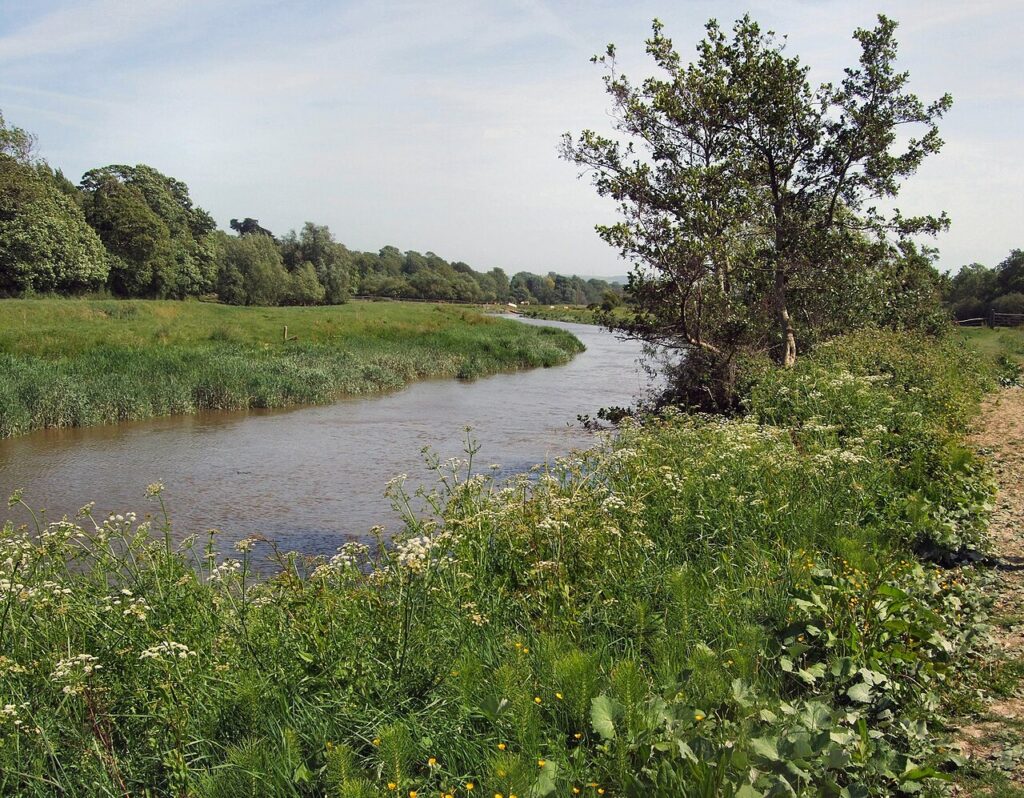
by Emma Montlake, ELF Co-Director
Is it just me or is everyone talking about River and Nature Rights? I certainly seem to be talking about it a lot, and every time I turn on the radio Robert MacFarlane is talking about his new book, ‘Is A River Alive?’. It is not where I expected to be, just over two years since Lewes District Council’s historic decision to pass a motion on the exploration of a Rights Charter for the Ouse River in Sussex. At that time, it was a niche area of earth jurisprudence in the UK. Since LDC announced their intention in Feb 2025 to “champion” and “support” the River Ouse Charter, there has been a bubbling spring of river rights motions from other English Councils, 12 I believe and counting. Some have chosen to leap right in and grant a Charter, others have granted their river personhood and others, rights for all their rivers.
This is unprecedented. This is what it means to be part of a grassroots movement, a bubbling up, where local river communities lead. We have seen Hampshire and the Isle of Wight Wildlife Trust, spearhead a campaign, around their projects on chalk streams, encouraging and supporting all their local Hampshire councils to pass river rights motions. For myself working closely with wonderful women, Emily Julier and Yasmin Waljee at Hogan Lovells, we have given a few interviews, resulting in some balanced and encouraging coverage in The Financial Times and we recently delivered a webinar to the Wildlife Trusts on river rights, with one planned for the Rivers Trust.
This interest is welcome from such important conservation organisations with such a large membership reach. It seems that both these organisations could have a crucial role to play in advocating for river rights. The narrative jogs along, where nature restoration and the articulation and recognition of rights for our rivers, can support each other. Where a river restoration project can be articulated in terms of restoring the river’s right to flow, the river’s right to its own native biodiversity, what rights the river needs to thrive and be alive, not dying as so many of our rivers’ fate declines.
The articulation of the objective in terms of rivers’ rights is compelling. I hear this language; it speaks to me of what we truly mean to be in a relationship of kinship with our natural world. And with rights for rivers comes our responsibilities to fulfil those rights. We do all really have a part to play in that. Recalling the rallying cry, “I am the river and the river is me” and “we are part of nature, not separate from it.”