May 29th, 2024
Defending Crossness Nature Reserve: A Battle for Wildlife and Community
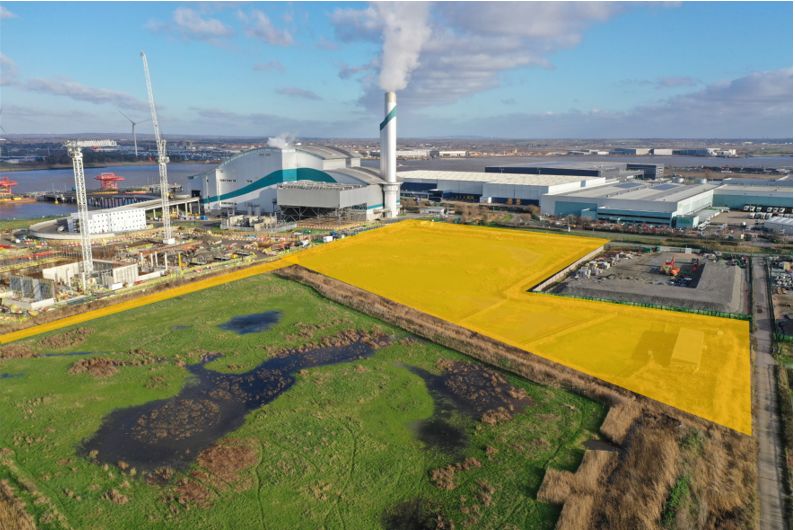
Crossness Nature Reserve in Belvedere, a sanctuary for rare and diverse wildlife, faces an uncertain future as Cory Riverside Energy seeks to expand its incinerator operations onto the adjacent green space. This proposal includes constructing a ‘carbon capture’ plant, which the company claims will mitigate carbon emissions. However, local wildlife enthusiasts and environmental groups are rallying against the project, citing significant ecological and community concerns.
The incinerator expansion threatens to obliterate six acres of valuable grazing marshland habitat, crucial for migrant birds like the wheatear and whinchat, as well as locally breeding barn owls and kestrels. These greenbelt lands, vital for the biodiversity they support, also provide residents a treasured place to experience nature’s beauty.
The Crossness Nature Reserve now so seriously threatened is held and maintained under an obligation by Thames Water, as a site created under a s.106 agreement and for Thames Water to manage and enhance the wetland site for a period of 99 years as compensation for the construction of their sewage sludge incinerator built some decades earlier. In effect a gift to the local community as mitigation for the unpleasant operation on their doorstep.
ELF has been assisting with some of the legal technicalities that have arisen, and the wonderful Southwark Law Centre are supporting the community through the Development Consent Order process. The community are raising funds through Crowdjustice to support the campaign: https://www.crowdjustice.com/case/scnr/
Emma Montlake, co-director of the Environmental Law Foundation (ELF), voices the collective dismay: “Crossness Nature Reserve is a rare and irreplaceable refuge for wildlife in London. To pave over this haven for an unproven technology is not just environmentally irresponsible; it’s a betrayal of the community’s trust and a disservice to future generations.”
Critics argue that the carbon capture plant is an unnecessary and experimental approach when more effective methods exist to reduce the carbon footprint of waste management. London’s notoriously low recycling rates point to a need for better waste reduction strategies—ones that prioritize reducing, reusing, and recycling over expanding incineration capacities.
The reserve’s defenders are not alone. MP John Cruddas and local councillors like Dave Putson underscore the potential health risks from increased emissions and the broader issue of industrial encroachment on greenbelt land. Shirley Rodriguez, London’s Deputy Mayor for Environment, also opposes the project, highlighting that additional incineration facilities contradict the city’s recycling goals and the community’s environmental aspirations.
Crossness Nature Reserve’s battle epitomizes the larger struggle between urban development and the preservation of natural habitats. The community’s voice grows louder, championing a vision of environmental stewardship over industrial expansion. The fate of this “hidden gem” rests in the balance, a poignant reminder of the need to protect the few remaining natural sanctuaries in our urban landscapes.
Sign the petition here: https://www.change.org/p/stop-cory-energy-building-on-crossness-nature-reserve-in-bexley-register-your-opposition