July 29th, 2024
Celebrating Love Parks Week: Why We Love Parks
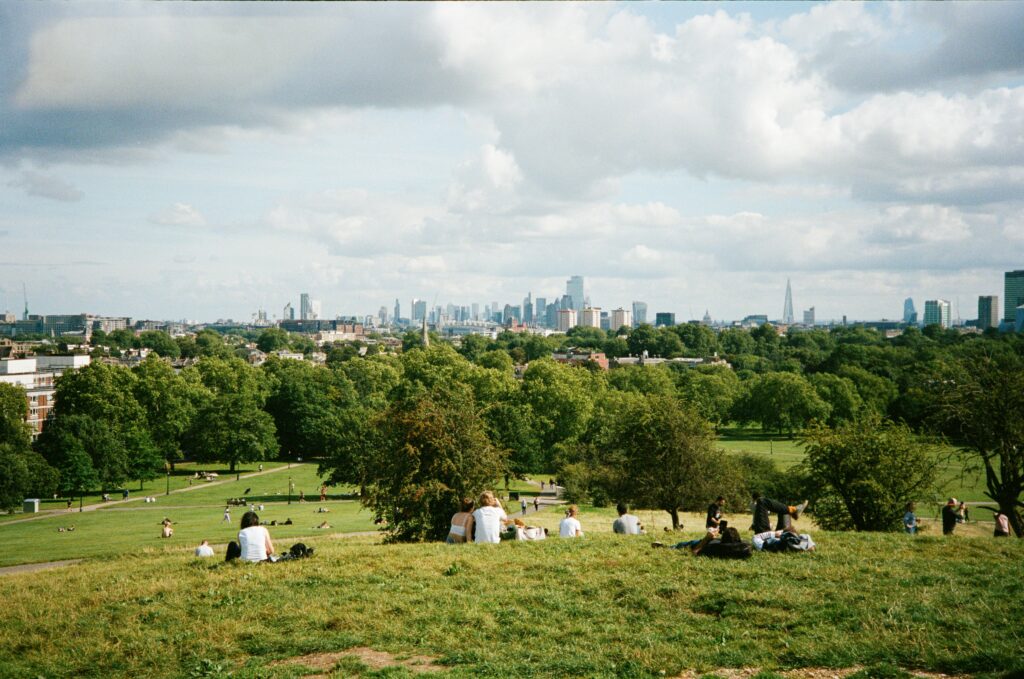
Photo by Timur Valiev on Unsplash
Parks and green areas are truly wonderful! They play a role in our neighbourhoods, our well being, and our future. Love Parks Week, an initiative led by Keep Britain Tidy is a time to honour these spaces. The Environmental Law Foundation (ELF) supports Love Parks Week, which highlights the significance of preserving and safeguarding our areas. Emma Montlake, co director of ELF perfectly captures this idea; “Green spaces are vital, for our health and the environment. They offer not only beauty and recreation but essential ecosystem services that sustain life. Being in nature is known to have wonderful mental health benefits.”
Three reasons why we love parks
Healthier Communities
Parks encourage physical activity, reduce stress, and provide spaces for social interaction, leading to happier and healthier residents. According to the Green Space Gap report by Friends of the Earth, access to green spaces can significantly improve physical and mental health. Research has shown that extended periods of confinement at home, such as during pandemic lockdowns, reduce physical activity, particularly among people with lower socio-economic status, and increase the risk of depression, anxiety, insomnia, and self-harm.
Moreover, children with more green space near their homes have significantly stronger bones, potentially leading to lifelong health benefits. A study found that children living in places with 20-25% more natural areas had increased bone strength equivalent to half a year’s natural growth. The risk of having very low bone density was about 65% lower for these children, highlighting the importance of green spaces for the physical development of children and their long-term health.
Stronger Communities
Well-maintained parks become hubs for community events, fostering a sense of belonging and pride. The Guardian’s article, The end of parklife as we know it? The battle for Britain’s green spaces, highlights how parks serve as essential communal areas that bring people together. From local festivals to casual gatherings, these spaces strengthen community bonds and contribute to a vibrant social fabric.
Unfortunately, the reality is that parks budgets continue to be cut, with an estimated £190 million being lost from local authority parks budgets over the last five years. This financial strain threatens the maintenance and availability of these crucial community spaces. Unfortunately at ELF we see Local Authorities having to commercialise parks, in order to fill the funding gaps, often meaning actual greenspace is lost to commercial development. Or an increasing occurrence of large festivals being held in urban parks attracting thousands of people, excluding the non paying public from large areas of the park.
Sustainable Future
Parks act as natural filters, improving air and water quality while mitigating climate change impacts. They play a crucial role in urban ecosystems, offering a refuge for wildlife and contributing to biodiversity. A recent study by CPRE found that green spaces in poorer parts of England are more likely to be built on, threatening these critical ecological functions. Protecting our parks is essential for ensuring a sustainable future for all.
The National Federation of Parks and Green Spaces estimates that local authorities in England, Scotland, and Wales spend about £1.2 billion per year on open spaces, or 0.15% of total public expenditure. Yet, the benefits far outweigh the costs. Research by City of Edinburgh Council indicates that parks return £12 in social, environmental, and economic benefits for every £1 invested.
Parks, both large and small, offer us a retreat where we can engage in activities with our children, exercise, walk our dogs and gather for picnics with friends. They hold a place in our communities.
Addressing Inequities in Green Space Access
The DEFRA Inquiry into Urban Green Spaces emphasises the need for equitable access to green spaces. England’s green space gap shows that about 1 in 5 of the population lose out on the benefits of quality local green space. Almost 10 million people in England live in 1,108 neighbourhoods that are most deprived of green space, and 955 neighbourhoods have slightly better but still very poor green space provision.
Moreover, almost 40% of people of Black, Asian, and Minority Ethnic (BAME) backgrounds live in England’s most green space-deprived neighbourhoods. People of BAME backgrounds are more than twice as likely as white people to live in these deprived areas. Fields in Trust updated its Green Spaces Index, reporting that 6.3 million people in Britain do not live within 10 minutes’ walk of green space. The degree of access to green space will continue to reduce with rising population and development pressures.
Parks and green spaces play a role in our well being, our communities and our future. Love Parks Week serves as a reminder of the importance of valuing, safeguarding and supporting these resources. By enjoying and making use of our parks we contribute to their conservation for generations.
Take this opportunity to enjoy your park this week. Whether it’s for a stroll, a family outing or simply appreciating nature’s beauty every visit helps showcase the significance of these areas and the need for their protection. Have a Love Parks Week!