June 27th, 2025
Saving Minster Marshes: A Last Stand for Wildlife in Pegwell Bay
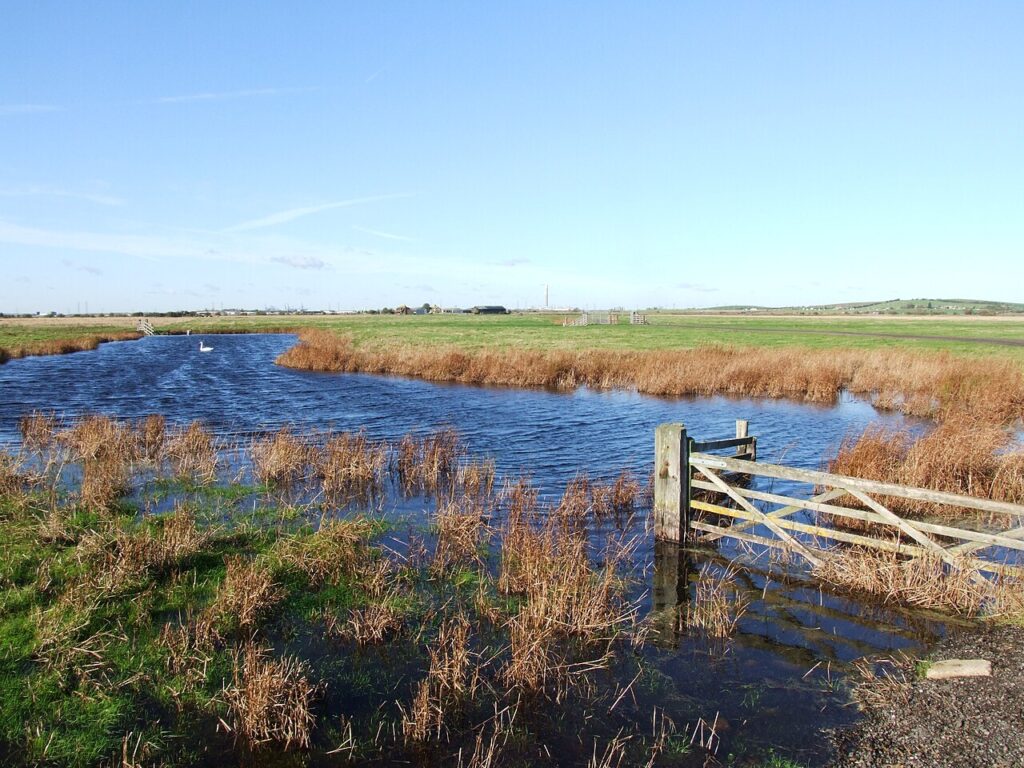
Photo by: Chris Whippet
ELF has been assisting a local action group named Save Minster Marshes to object to a Development Consent Order for a project named Sea Link, a large project for new energy infrastructure between Suffolk and Kent. The group are concerned with the protection of the Minster Marshes, a nature reserve at Pegwell Bay, in the Stour Valley as part of this proposal is to build a converter station and substation on this reserve.
The site is adjacent to a SSSI and falls within national and internationally protected environments and supports an extensive variety of wildlife. This area has been targeted for development in the past, with several planning approvals being granted. This has caused a drastic reduction in the biodiversity of the area, and has made Minster Marshes a haven for wildlife, acting as a critical ecological superhighway connecting Pegwell Bay with the rest of the South East. It is home to hundreds of birds including significant populations of 32 red listed bird species, 46 amber listed birds, and 74 other species. It is also home to endangered European eels, beavers, otters and water voles, as well as many other species. These are beings that have been pushed out of surrounding areas due to over development and depend on the reserve for their survival. It is their sole haven and, if this crucial habitat is taken away from them, they will have nowhere to go.
ELF, in principle, supports a transition to renewable energy. However, it is important that renewable infrastructure does not come at the cost of nature, and that nature’s voice is heard in this decision. We have been assisting the group in challenging the choice to include this reserve in their application in light of the significant environmental impacts that will occur if development is permitted on Minster Marshes. With help from Edward-Arash Abedian of Landmark Chambers, we have assisted the group with legal advice which highlights current failures of the application when taking the reserve into account.
Environmental decision making cannot be treated as a trade-off between reducing carbon emissions and protecting nature. Everything is interconnected, we need both. Renewable infrastructure must work with nature, not against it, if we want to build a sustainable and nature rich future. This DCO application will be entering into examination stage, and ELF will be working on assisting the group to prevent this vital habitat from being sacrificed.